
Many B2B mobile apps now let people start for free. A field service manager downloads your scheduling app, a sales rep tries your expense tool, or an IT admin tests your device management app on a few phones. Some of those users will never pay. Others are quietly building a strong case for a company-wide rollout.
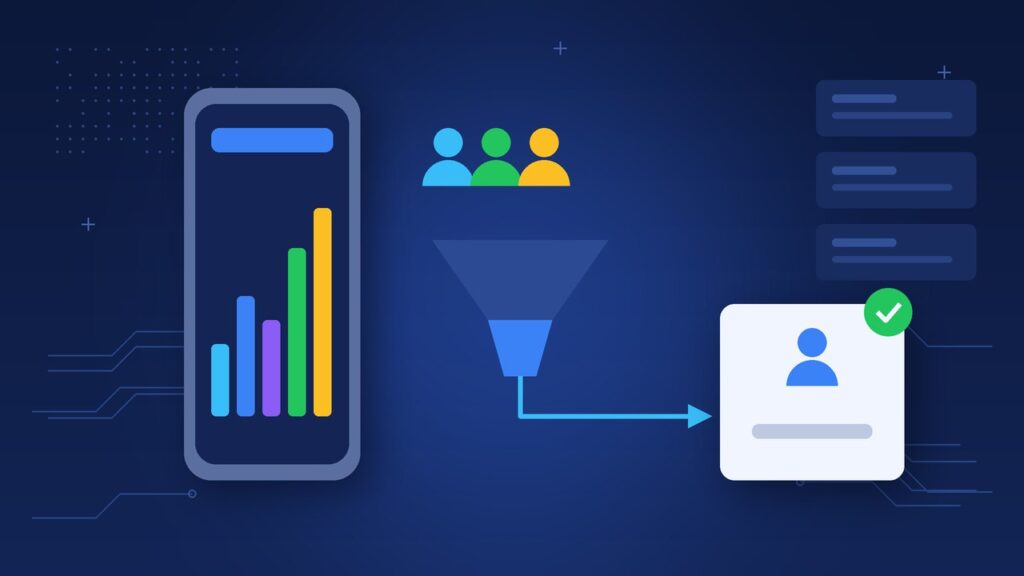
The challenge is telling them apart. If sales reaches out to everyone, they waste time and annoy casual users. If they reach out to no one, larger opportunities slip by. Product-qualified leads, or PQLs, are a way to focus on the accounts whose behavior in your app suggests they’re ready for a conversation.
Here’s how our team helps B2B app companies set this up in a practical way.
What a product-qualified lead actually is
A marketing-qualified lead is usually based on marketing activity: downloading a guide, attending a webinar or visiting key pages. A product-qualified lead is based on what someone does inside your product.
For a B2B mobile app, that might be:
- Inviting several colleagues from the same company.
- Using a core feature repeatedly over a couple of weeks.
- Connecting the app to another business system, such as a CRM or calendar.
- Hitting a free-plan limit on users, projects or devices.
- Visiting the pricing or upgrade screen inside the app.
These actions show real intent, because people are already getting value.
Step 1: Agree on what “ready” means
Start by looking at customers who already upgraded or signed larger contracts. What did their usage look like before they bought? Sit down with sales, product and customer success and agree on a short list of signals that tend to come before a purchase.
Keep it simple at first. Three or four clear signals are better than a complicated formula nobody trusts.
Step 2: Track the right in-app events
You can’t qualify what you can’t see. Make sure your app analytics tracks the specific actions you agreed on, not just installs and sessions. Most mobile analytics tools let you define custom events such as “invited teammate” or “connected integration.”
Tie those events to an account, not only to an individual user. In B2B, the buying decision is usually made at the company level, so five users from one company are far more interesting than five unrelated individuals.
Be clear in your privacy policy and in-app messaging about what you collect and why, and follow the app store rules and privacy laws that apply to your users.

Step 3: Add company context with verified data
Usage alone doesn’t tell you whether an account is a good fit. A two-person startup and a 2,000-person logistics company might show the same activity, but they represent very different opportunities.
Enrich accounts with firmographic data, such as company size, industry and location, using verified B2B data sources. Many users sign up with a work email, which makes this much easier. Where the data is uncertain, flag it for a human to check rather than guessing.
Step 4: Combine fit and usage into a simple score
Now bring the two together. A practical approach is a simple grid:
- High fit, high usage: route to sales quickly. These are your best PQLs.
- High fit, low usage: help them get value first with onboarding tips or a short call from customer success.
- Low fit, high usage: let them keep growing through self-serve upgrades.
- Low fit, low usage: nurture with helpful content and in-app guidance.
Review the results every month. If PQLs are not turning into opportunities, adjust the signals.
Step 5: Route PQLs to the right person fast
When an account becomes a PQL, the right person should know quickly. Send an alert into your CRM and the channel your reps actually watch. Include the context they need: who’s using the app, which features they rely on, how many colleagues have joined and which plan they’re on.
Good routing rules matter. Smaller accounts might go to an inside sales rep, while larger ones go to an account executive or an account-based marketing program.
Step 6: Reach out with help, not a hard sell
The tone of the first message makes a big difference. These users are already in your product, so a cold pitch feels out of place. Offer something useful instead:
- “I noticed your team has started using shared schedules. Would a quick walkthrough of the admin dashboard help as you add more people?”
- “Several of your colleagues have joined recently. If you’re planning a wider rollout, I can share how other teams set up permissions.”
Keep it short, relevant and easy to say no to. The goal is to start a conversation, not to force an upgrade.
Don’t forget the economic buyer
In many companies, the people using your app aren’t the ones signing the contract. An enthusiastic user might need help making the case to their manager, IT or finance. Give them simple tools: a one-page summary of business benefits, a security overview and a clear explanation of pricing. Account-based marketing can support this by reaching other stakeholders at the same company with relevant content.
A quick example
Imagine a B2B app that helps facilities teams log maintenance requests. A free user at a regional property management company invites eight colleagues within two weeks and connects the app to the company’s work order system. The company fits the ideal customer profile. Sales gets an alert with that context and reaches out offering help with a multi-site setup. That’s a timely conversation the team might otherwise have missed.
Getting started
Look at your last ten paying business customers and write down what they did in the app before upgrading. That list is the starting point for your PQL definition. Track those actions, add company data and agree on who follows up. You’ll spend less time chasing cold leads and more time talking to teams who already see the value.
About xRapid Media
xRapid Media LLP is a High Tech B2B Marketing company for technology businesses: software and SaaS companies, IT services and managed service providers, and hardware and IT product vendors. Our team combines positioning and content, account-based marketing, paid ads funnels, verified B2B data, intent signals, email and LinkedIn outreach and appointment setting to help you reach the right buyers and turn their attention into qualified leads and meetings.
Want help putting ideas like these into practice? Email [email protected] or book a time with our team.