
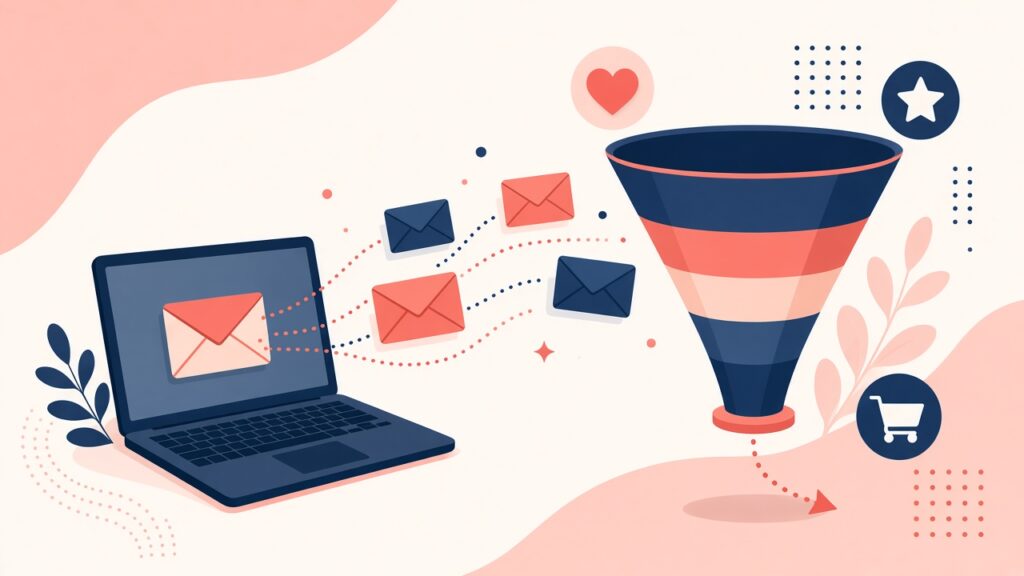
Social media platforms change their rules all the time. A post that reached thousands last year might reach a fraction of that today. Email is different. Your list belongs to you, and when you send a message, it lands directly in someone’s inbox. That’s why, even with so many new channels around, our team still treats email as a core part of most marketing plans.
The catch is that email only works when the list is built well and the messages are worth reading. Here’s how we approach it.
Start with permission, always
The best email lists are made of people who chose to hear from you. Buying lists or adding contacts without consent tends to hurt more than it helps. Those people didn’t ask for your emails, so they ignore them, mark them as spam or unsubscribe, and that damages your sender reputation for everyone else on your list. It can also put you on the wrong side of privacy and anti-spam laws in many countries.
Make it clear what people are signing up for, and only send what you promised.
Give people a real reason to subscribe
“Subscribe to our newsletter” is rarely enough. People want to know what’s in it for them. A few incentives that work well for small businesses:
- A short, genuinely useful guide or checklist related to your service
- A first-order discount or free delivery
- Early access to new products or limited offers
- A monthly roundup of practical tips in your field
- Event invitations or members-only updates
The offer should attract people who might actually become customers. A generic prize giveaway may grow the list fast, but often fills it with people who have no interest in what you sell.
Put sign-up forms where people already are
You don’t need pop-ups on every page. Instead, place simple forms where they make sense: at the end of blog posts, on your contact page, in the website footer and at checkout. Keep the form short. In many cases, an email address and a first name are plenty to start with.
Offline moments count too. If customers visit your shop or office, a quick sign-up at the counter or a QR code on a receipt can add steady, high-quality contacts.
Send a welcome sequence
The moment someone subscribes is when they’re most interested in you. Rather than waiting for your next newsletter, set up a short automated welcome series. For example:
- Email one, immediately: Thank them, deliver what you promised and tell them what to expect.
- Email two, a few days later: Share your story or your most helpful resource.
- Email three, about a week in: Introduce your main products or services with a gentle offer.
Most email platforms make this easy to set up once and leave running.
Write emails people want to open
A few habits make a big difference:
- Subject lines: Be clear and specific rather than clever. “5 ways to cut your electricity bill this winter” tells people exactly what they’ll get.
- One main message: Each email should have one clear purpose and one main call to action.
- Write like a person: Use a friendly, conversational tone, as if you were writing to a single customer.
- Keep it scannable: Short paragraphs, simple headings and a clear button.
- Mobile-friendly design: Many people read email on their phones, so test how your message looks on a small screen.
Segment your list as it grows
Not everyone on your list wants the same thing. Once you have a few hundred contacts, start grouping them. You might segment by location, by the product they bought, by how they signed up or by how active they are. A customer who bought last week needs a different message from someone who signed up six months ago and never purchased.
Even simple segments make emails more relevant, and relevant emails get more opens and clicks.
Pick a sensible sending rhythm
Consistency matters more than frequency. A useful monthly email that arrives reliably will often outperform a rushed weekly one. Choose a rhythm you can maintain, then watch how subscribers respond. If unsubscribes rise after you increase frequency, that’s a signal to pull back.
Measure what matters
Your email platform will give you plenty of numbers. Focus on a few:
- Open rate, as a rough guide to how well subject lines are working
- Click rate, to see whether your content prompts action
- Conversions, meaning enquiries, bookings or sales that came from email
- Unsubscribes and spam complaints, which warn you when something isn’t landing
Compare your results with your own past emails rather than chasing someone else’s benchmark.
Keep your list healthy
Every few months, look for subscribers who haven’t opened anything in a long time. Send them a short “Do you still want to hear from us?” email, and remove those who don’t respond. A smaller, engaged list is more valuable than a large, silent one, and it helps your emails keep reaching the inbox.
Conclusion
Email marketing rewards patience and respect. Collect contacts with permission, offer something genuinely useful, welcome new subscribers properly and send relevant messages on a rhythm you can keep. Over time, your list becomes one of the most dependable sources of repeat business you have.
Growing an IT business? xRapid Media LLP is a High Tech B2B Marketing company. We help MarTech and B2B technology companies find and engage the right B2B buyers through data-driven prospecting, verified contact data, account-based campaigns, email and LinkedIn outreach and appointment setting. Call +91 9767196309, email [email protected] or book a free B2B marketing consultation.